
Let’s Talk Arthritis and Joint Pain
A little stiffness in the morning. A sore knee after a walk. Many women notice joint pain over time but often brush it off, thinking it’s just part of getting older and that nothing can help.
While aging does change your joints, pain and stiffness that make daily life hard don’t have to be something you just deal with.
Arthritis is common after 65, especially for women. It can affect your hands, knees, hips, and more, making daily tasks harder and less fun.
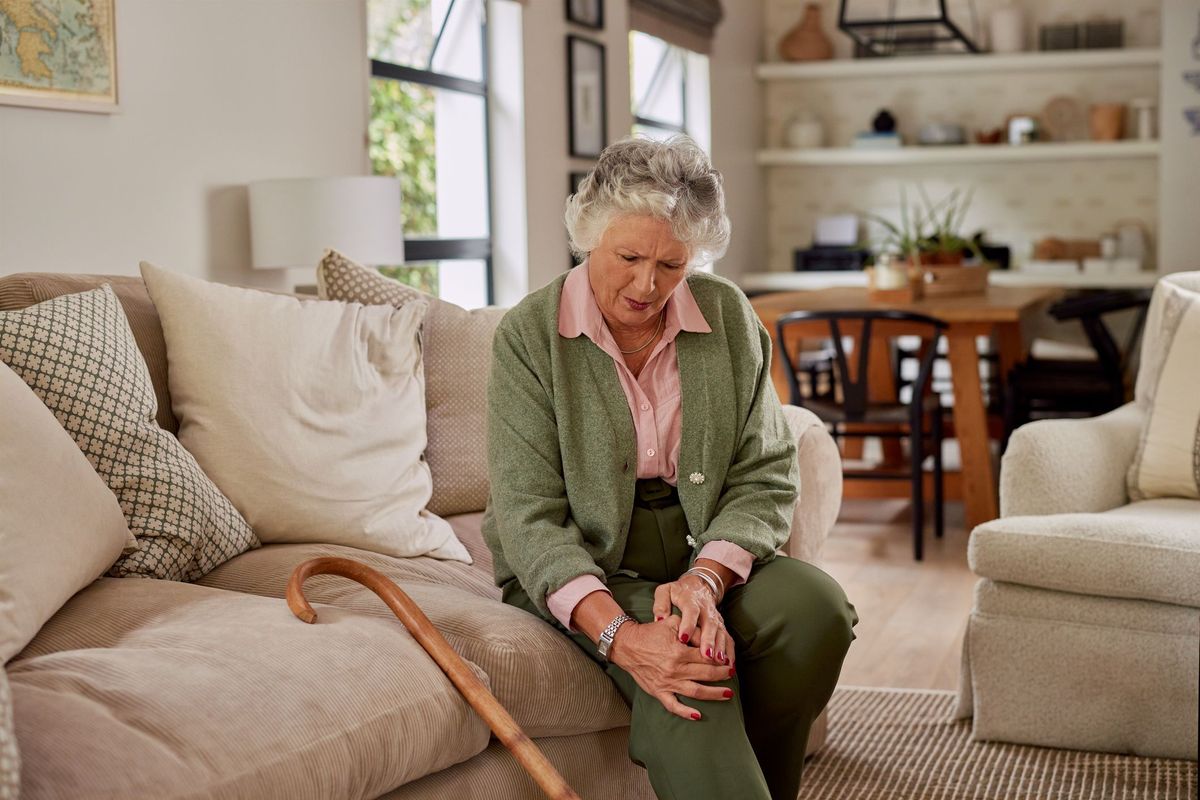
Joint Pain Is More Common (and More Manageable) Than You Might Think
For women, joint pain isn’t just common, it’s complex. It can come from different causes, be linked to hormones, and affect both your body and your mood. But the right care and small daily changes can help a lot.
Hormones and Age
Osteoarthritis affects women twice as often as men after age 60. Hormone changes after menopause may raise the risk.
More Than Arthritis
Joint pain isn’t always caused by arthritis. Other conditions like osteoporosis, bursitis, and tendonitis can cause similar pain and stiffness.
Mental Health Connection
Living with arthritis can also affect your mental health. Women with arthritis are more likely to feel depressed or anxious, so emotional support is just as important as physical care.
Movement Helps
Moving your body helps. Low-impact activities like walking, stretching, or water aerobics can reduce pain and help your joints move better.
Joint pain is common, but it doesn’t have to control your life. With the right care, many women stay active, feel better, and feel more like themselves.
Below, you’ll find helpful tips and tools to better understand and manage joint pain, so you can keep doing the things you love.
What’s Causing Your Joint Pain? It’s Not Always Arthritis
Joint pain is common, but it doesn’t always mean you have arthritis. There are different conditions that can cause pain, stiffness, or swelling. Knowing the difference can help you get the right care. Here are some common causes:
Osteoarthritis
The most common kind of arthritis in older adults. It happens when the smooth cartilage in your joints wears down. It often affects knees, hips, hands, and the spine.
Rheumatoid Arthritis
A type of arthritis where your immune system attacks the joints, causing pain and swelling. It often starts in small joints, like fingers and wrists.
Osteoporosis
A condition where bones get thin and weak. It doesn’t cause joint pain directly, but weak bones can break more easily or cause posture changes that lead to joint pain.
Bursitis
Swelling in the small sacs (bursae) that cushion your joints. It can cause sharp pain, especially in the hips, elbows, or shoulders.
Tendinitis
Swelling in the tendons, which connect muscles to bones. It’s often from overuse or injury and can affect the knees, shoulders, or elbows.
Old injuries
Pain can show up years after an injury, especially if it didn’t heal well. Old sprains, breaks, or joint damage can cause long-term pain.
If you’re not sure what’s causing your joint pain, don’t guess—talk to your provider. A simple test or check-up can help you find answers and feel better.
Preventing Joint Pain: Small Habits That Protect Your Joints Over Time
You don’t have to wait for joint pain to start taking care of your joints. These everyday habits can help keep you moving comfortably:
Keep moving
Gentle, regular movement keeps joints flexible. Try walking, swimming, tai chi, or stretching. Even 10–15 minutes a day helps.
Build your strength
Strong muscles help protect your joints. Light strength exercises with bands or small weights can help your knees, hips, and shoulders.
Be gentle with your joints
Don’t overdo it. When lifting something, use both hands. When getting up, use your legs, not your arms.
Maintain a healthy weight
Extra weight puts more pressure on your knees, hips, and back. Just one extra pound of body weight adds four pounds of pressure on your knees.
Eat foods that help your joints
Omega-3s, leafy greens, and berries can lower swelling in your body.
Wear the right shoes
Shoes with good support and cushion can help protect your knees and hips.
Managing Joint Pain: What You Can Do to Feel Better Now
If joint pain is already part of your life, here are ways to feel better:
Keep moving
Even if it’s a little uncomfortable. Rest might seem like the answer, but too much sitting can make pain worse. Gentle movement helps you feel less stiff. Pay attention to how your body feels. If you hurt more after, do a little less next time.
Use heat or cold
A warm bath, heating pad, or ice pack can help reduce pain or swelling. Try heat before activity and cold afterward.
Ask about medications
Some medications can help with pain. Always check with your provider first, especially if you take other medicine.
Try physical therapy
A physical therapist can show you safe exercises to build strength and balance and reduce pain.
Make your home joint-friendly
Tools like jar openers, grabbers, or shower chairs can make daily tasks easier.
Stay social
Pain can affect your mood. Try joining a walking group to stay active and connect with others.
Eat to Soothe Your Joints
Swelling in the body (inflammation) plays a big role in joint pain. What you eat can help reduce it. A diet full of anti-inflammatory foods can support your joints, ease pain, and boost energy and mood.
Here are easy ways to add more of those foods to your meals and snacks:
Salmon & Tuna
Keep canned salmon or tuna on hand. Mix with a little mayo and mustard for tuna salad. Eat it with whole grain crackers or in a lettuce wrap.
Olive Oil
Use olive oil instead of butter for roasting veggies, cooking eggs, or sautéing meat.
Leafy Greens
Add greens to soups and eggs. Toss in spinach, kale, or frozen broccoli.
Greek Yogurt
Try Greek yogurt with toppings. Add berries, granola, and flaxseed.
Green Tea
Swap one coffee for green tea. It’s full of antioxidants and easier on joints.
Smoothies
Blend greens into smoothies. Don’t like kale or spinach? You won’t taste them in a fruit smoothie.
Snack Smart
Try walnuts, fruit, or a small piece of dark chocolate.
Spice Basket
Make a spice basket. Keep turmeric, ginger, garlic powder, and pepper near the stove so it’s easy to add them to meals.

Ask a Herself Health Provider
Nurse Practitioner Leah Atkinson answers common questions about back pain and spinal stenosis.
Q: My back hurts more now than it did 10 years ago. Is that just a normal part of aging?
A: Some changes in the spine are common as we age, but ongoing back pain shouldn't be ignored. Conditions like degenerative disc disease and spinal stenosis can develop over time and may cause pain, numbness, weakness, or difficulty standing and walking. The good news is that many people find relief with the right treatment plan.
Q: What exactly is spinal stenosis?
A: Spinal stenosis happens when the spaces within the spine become narrower, putting pressure on nearby nerves. Some people notice pain in their lower back, while others experience tingling, numbness, or weakness in their legs.
Q: What's one thing women can do today to support their back health?
A: Keep moving. Gentle activity helps keep muscles strong and supports the spine. Even short walks, stretching, or simple strengthening exercises can make a difference over time.
Final Thoughts
Joint pain doesn’t have to be something you just live with. From what you eat to how you move, small changes can help you feel better.
If joint pain is slowing you down or getting in the way of things you enjoy, let’s talk about it. Call 888‑290‑1209 to schedule a visit. We’re here to help you move with more comfort, strength, and confidence.