
Move More. Live Better. (Yes, Even Now.)
We’re not here to talk about fitness trackers or gym routines. We’re here to talk about movement as your most underrated tool for aging well—and staying strong, steady, and independent for years to come.
Whether you’re already active or wondering where to start, this page is your guide to the science, strategies, and stories that make movement work for you.
First things first! Always talk to your healthcare provider before starting any new exercise program. They can help you determine what’s safe and right for your health needs.
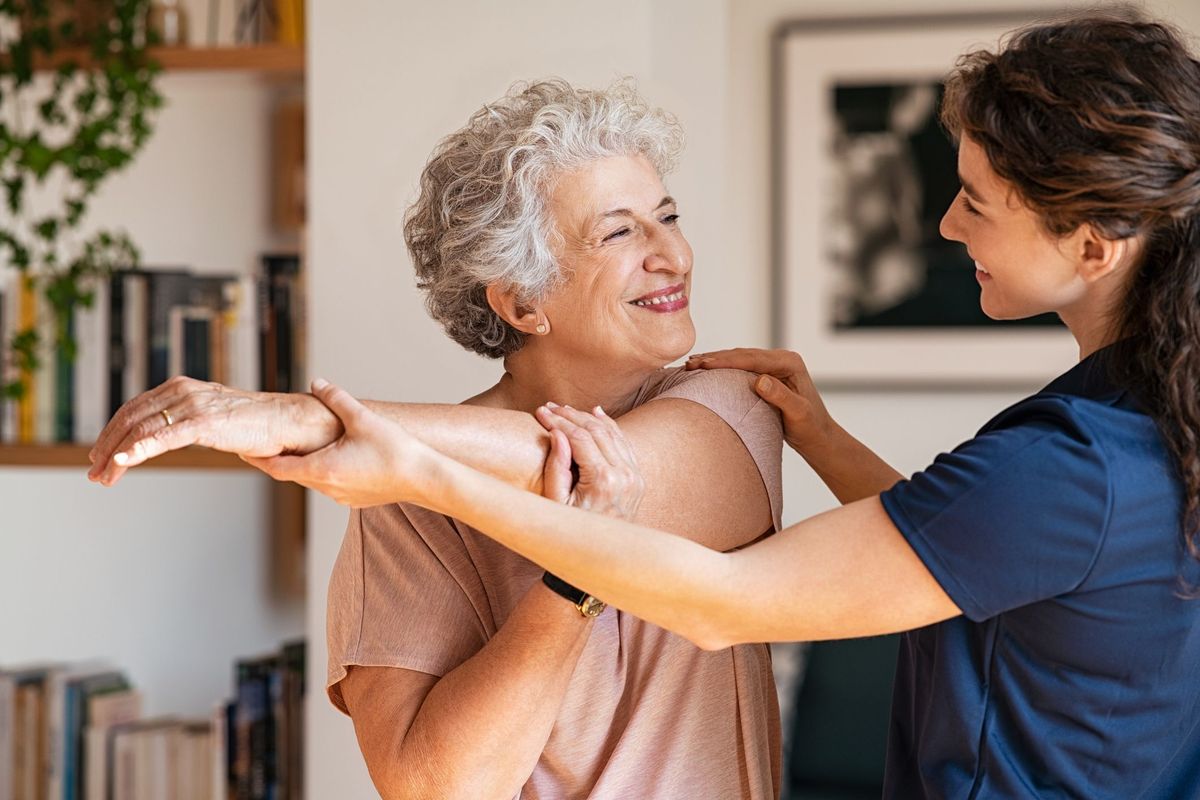
Why Movement Matters More as We Age
We often think of exercise as something we should do for heart health or weight. And while cardio has its place, strength and balance training are just as important—especially for women as we age.
We’re not made to slow down—we’re made to keep moving. And the benefits go far beyond fitness:
Strength training helps to protect bone health, regulate estrogen, and fight inflammation post-menopause
Movement improves sleep quality and mood, even with low-impact activities
Muscle is protective—it helps you burn more calories at rest and stay independent
Balance work rewires your brain, improving focus and coordination
Community-based movement (like walking with friends) boosts mental health and motivation
And it’s not just physical. Movement improves mental health, blood sugar, inflammation, and energy.
No gym. No perfect routine. Just start moving—and build from there.
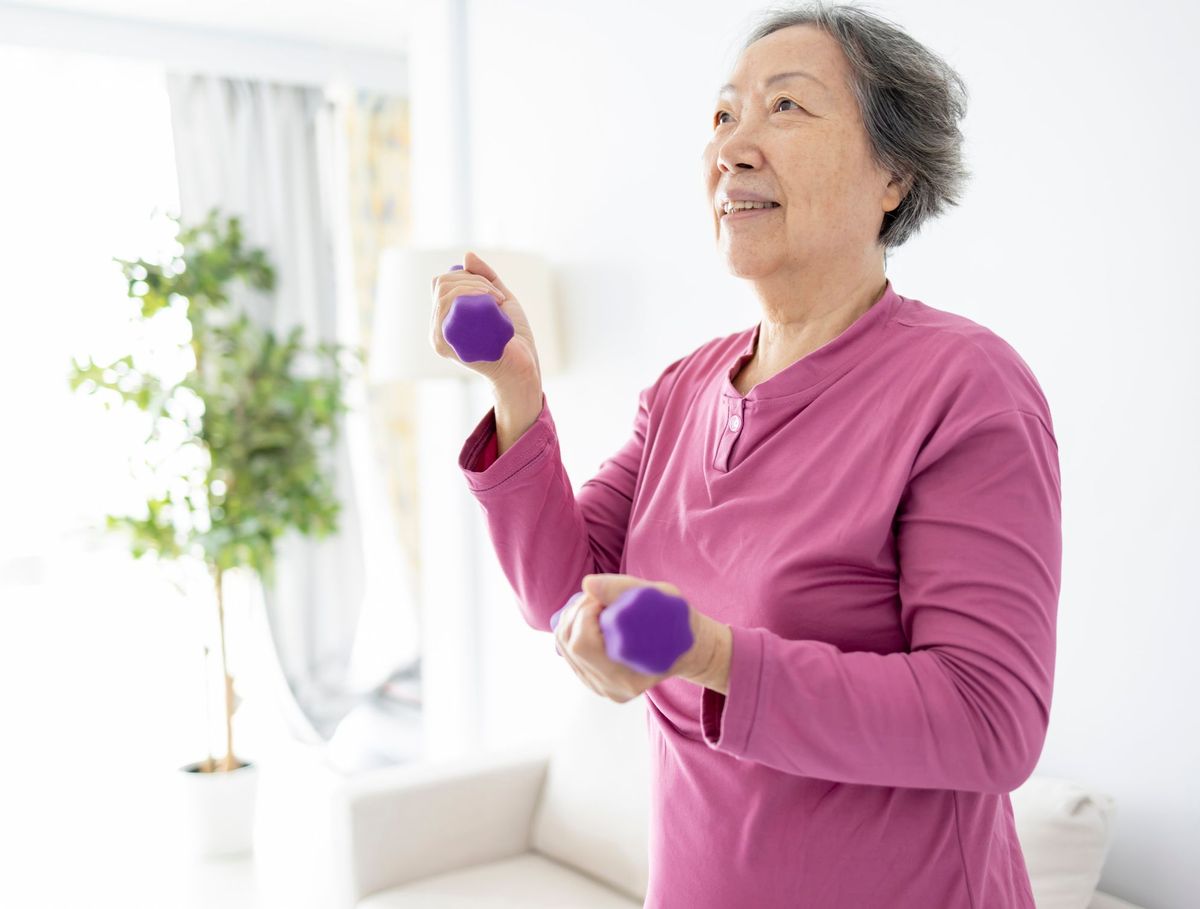
Late Start? You’re Right On Time
Meet Mona. She’s 86. She just started lifting weights.
“It’s never too late to build your strength… I sort of rolled up on 86 and didn’t realize your body begins to do different things as you get older.”
— Mona Noyes, featured in NPR’s health series on aging and exercise
Mona’s not an outlier. Research shows your muscles respond to strength training at any age, even if you’ve never done it before. Women who lift weights just two to three times a week not only improve strength and mobility—they also live longer and lower their risk of heart disease.
Starting now can help you:
Protect your joints and posture
Reduce your risk of falls
Stay strong enough to do what matters—carrying groceries, getting up from a chair, traveling, or just feeling capable in your own body
You don’t have to go hard. You just have to go.
🎧 Want to hear Mona’s story—and more on what the science says about exercise as we age?
Movement is Medicine—for Every Part of Your Health
Brain Health
Walking increases blood flow to the brain and helps protect memory and focus
Bone Strength
Weight-bearing movement helps fight osteoporosis
Mood & Sleep
Just 10–20 minutes of movement can lift your mood and improve sleep quality
Fall Prevention
Building leg strength and coordination can help prevent falls—one of the most common causes of injury in women 65+
Tips to Get Started (No Gym Required)
Start small. Try 5–10 minutes of movement a day
Work it into your routine. Stretch while the coffee brews, walk after dinner
Use what you have. Soup cans = hand weights, a sturdy chair = perfect for squats
Choose joy. Dance, garden, walk with a friend—whatever feels good to you
Focus on how you feel. Better energy, sleep, and strength are signs you’re on the right track
Already Active? Here’s How to Level Up
If you’re already moving regularly, great work—keep it going by:
Adding light weights or resistance bands to build strength
Trying a new movement style like yoga, tai chi, or Pilates
Incorporating balance drills (heel-to-toe walking, standing on one leg)
Setting a new goal: longer walks, stronger lifts, or just more joy in motion
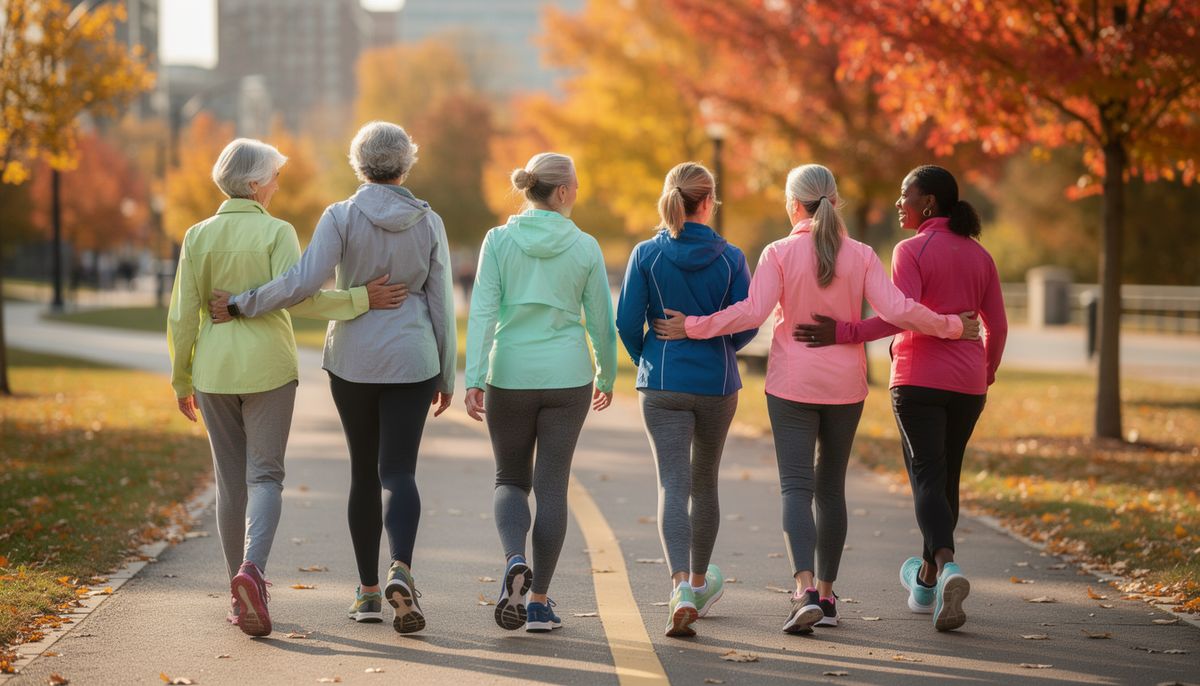
Life Hacks for Movement That Sticks
Let’s be honest: motivation comes and goes. The trick is making movement part of your day without needing a perfect routine.
Here are a few ways to sneak it in, without overhauling your life:
Habit stacking. Pair a short movement with something you already do—like heel raises while brushing your teeth.
Use your environment. A countertop makes a great balance bar, a staircase becomes a leg-day tool, and your hallway? The perfect catwalk.
Make it social. Call a friend and walk while you talk—or challenge each other to a 7-day “balance streak.”
Lean into joy, not obligation. If you hate squats but love music, dance. If walking’s boring but gardening’s bliss? Count that.
Pro tip: Try using a sticky note on the fridge or mirror that says: “How did I move today?” It’s a gentle nudge—not a guilt trip.
Featured Resource: Balance & Strength Quick Check
How’s your balance, really? Here are 3 simple self-checks you can do at home—no equipment needed:
The 10-Second Stand: Can you balance on one foot (eyes open) for 10 seconds? Try both sides.
The Sit-to-Stand: Can you go from sitting to standing 5 times in 30 seconds without using your hands?
The Steady Step Test: Walk in a straight line, heel to toe, for 10 steps. Wobbly? That’s your cue to start practicing.
Want a printable version?
Final Thought: What the Research Says
When it comes to aging well, four of the strongest predictors are:
Blood pressure
Blood sugar
Body composition
Mental well-being
Movement improves all four. If you’re looking for a real longevity hack—this is it. And it starts with one small step.
Talk With Your Care Team
Whether you're just getting started or looking to do more, your care team is here to help. We can help you build a movement plan that supports your goals, lifestyle, and health needs.
Schedule your next visit by calling (888) 290-1209—we’ll help you keep moving, strong, and independent.