
Breaking the Silence: Why Pelvic Health Deserves Attention
From leaking after a cough to skipping a road trip with the grandkids because you’re worried about finding a bathroom, urinary incontinence is common for senior women. Yet many women feel too embarrassed to talk about it with their provider. If this sounds like you, you’re not alone.
Pelvic health means how well the muscles, organs, and tissues in the pelvic area work. This includes your bladder, bowel, and sexual health. As women age, taking care of this part of the body becomes even more important, but it shouldn’t be something we have to suffer through in silence.
What Happens to Pelvic Health as We Age?
As we get older, the body changes, and so does the pelvic area. Women may experience some of these common changes:
Weaker Pelvic Muscles
These muscles support the bladder, bowel, and uterus. If they weaken too much, it can lead to urinary incontinence or trouble holding bowel movements.
Less Estrogen
After menopause, lower estrogen can make pelvic tissues drier and less flexible, leading to discomfort, vaginal infections, or urinary problems.
Prolapse
Pelvic organ prolapse happens when the bladder, uterus, or rectum drops because the pelvic floor muscles are too weak. It affects nearly 50% of women as they age.
Changes in Bladder Capacity
The bladder may hold less urine than before, causing more frequent trips to the bathroom, even if there’s no infection or other problem.
Understanding Urinary Incontinence
There are different types of urinary incontinence, and knowing which one you have can help you find the right treatment.
Stress Incontinence
Leaks during activities like coughing, sneezing, laughing, or lifting.
Tip: Try doing pelvic floor exercises daily.
Urge Incontinence
A sudden, strong need to pee.
Tip: Going to the bathroom on a schedule can help your bladder hold more urine over time.
Overflow Incontinence
Your bladder doesn’t empty all the way, causing dribbling.
Tip: Lean forward slightly to help empty fully.
Functional Incontinence
Trouble getting to the toilet in time due to pain or mobility issues.
Tip: Keep paths clear and wear clothes that are easy to remove.
Mixed Incontinence
More than one kind of leak (usually stress and urge).
Tip: A combination of exercises and bladder training works best.
How to Take Care of Your Pelvic Health
There are ways to keep your pelvic health in check. Here are some tips and strategies to try:
Stay Active
Regular physical activity is crucial. Activities like walking, swimming, or yoga help keep muscles strong, including the pelvic floor muscles.
Eat a Healthy Diet
Fiber is especially important. It helps keep your bowels regular and prevents constipation, which can put extra pressure on the pelvic muscles.
Hydrate Properly
Try to drink 6-8 cups of water a day. Restricting water can make your pee stronger and bother your bladder, making you feel the urge to go more often.
Check Your Medications
Some medications can affect your bladder, bowel, and sexual health. Talk to your provider if you notice any changes after starting a new medication.

Things to Watch Out For
Sometimes, problems with pelvic health may need medical attention. If you experience any of the following, it’s important to talk to your provider:
Persistent urinary incontinence (leaking urine)
Pain or discomfort during sex
Trouble emptying your bladder completely
Pressure or a feeling of heaviness in the pelvic area
Unexplained vaginal bleeding after menopause
Frequent urinary tract infections (UTIs)
Along with these physical symptoms, changes in sexual health can also be a sign of shifting pelvic health.
Sexual Health Is Pelvic Health, Too
As estrogen levels drop after menopause, many women experience vaginal dryness, pain during sex, or a lower interest in intimacy. These changes are common, but that doesn’t mean you have to live with discomfort.
Use a Vaginal Moisturizer
These help keep your vaginal tissue healthy and hydrated. You can find them at your local drugstore or grocery store.
Try a Water-Based Lubricant
This adds extra moisture and helps reduce discomfort or pain. Look for gentle, scent-free products.
Go Slow and Talk Openly
It’s okay to ask for what you need and take your time. Feeling relaxed and supported can make a big difference.
Talk to Your Provider
If dryness or pain keeps happening, there are treatments that can help that are safe and effective.
Remember: sex is still part of your overall health. If something feels off, don’t be afraid to speak up. You deserve to feel good in your body at every age.
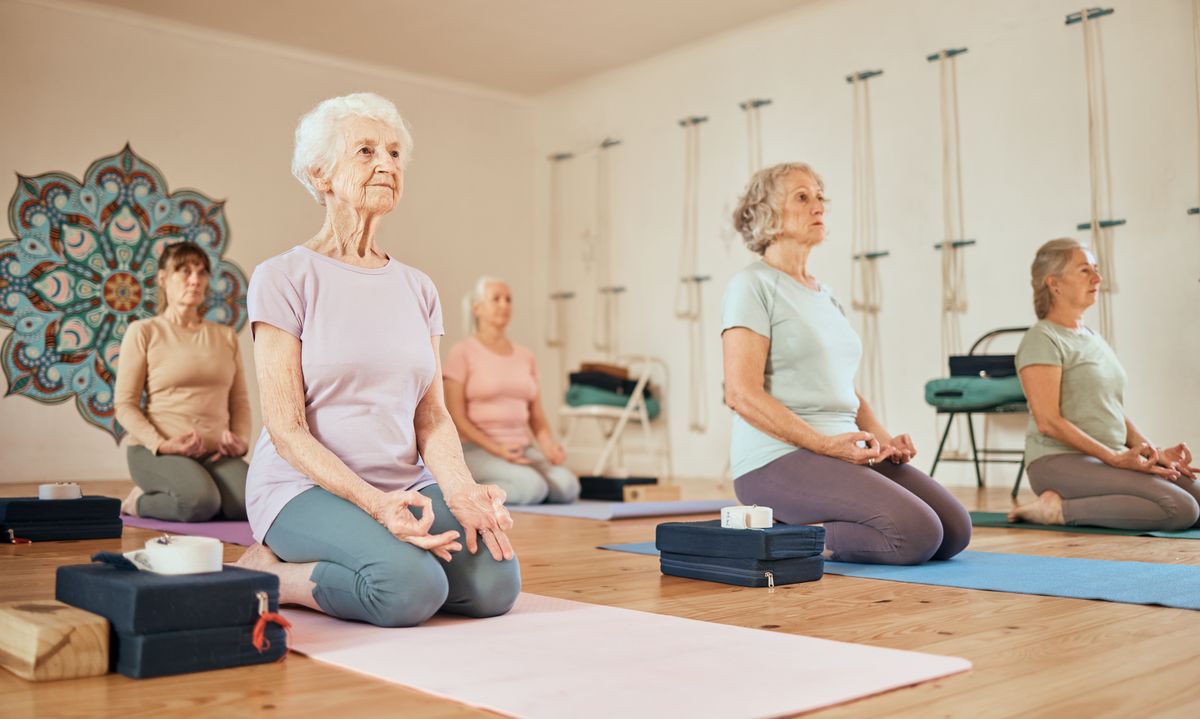
More Than Just Kegels
Pelvic floor exercises, like Kegels, help strengthen the muscles that support your bladder, bowel, and other pelvic organs. Try to do these exercises every day. To start, squeeze the muscles you would use to stop urinating, hold for five seconds, then relax. Repeat this 10 times, three times a day. Doing this regularly can help build stronger pelvic muscles and prevent leaks.
While Kegels are a great way to keep your pelvic muscles strong, they’re not the only option. There are many other pelvic floor exercises that can support your bladder and improve your overall pelvic health. You can try some of these at home but be sure to check with your provider first to make sure they’re right for you.
Local Resources
These organizations offer pelvic health programs you can learn more about below. As always, talk to your provider if you have questions about what’s right for your care plan.
Final Thoughts
Pelvic health is an important part of overall health, especially as women age, and it's something we should feel comfortable talking about. Too often, symptoms are ignored or dismissed, even though support and treatment are available. If you’ve noticed changes or have concerns about your pelvic health, don’t wait. Schedule a visit with your provider to start the conversation and take charge of your health.